
Somatisation and somatoform disorders represent a complex group of mental health conditions that have puzzled medical professionals and patients alike for decades. These disorders are characterized by physical symptoms that cannot be fully explained by medical conditions, suggesting a strong mind-body connection. This is complete guide about Somatisation Causes, Symptoms and Somatisation Treatment in Mumbai
Somatisation refers to the process by which psychological distress is expressed through physical symptoms. It’s a common phenomenon that can occur in various mental health conditions. Somatoform disorders, on the other hand, are a specific group of psychiatric diagnoses characterized by physical symptoms that suggest a medical condition but cannot be fully explained by one, despite thorough medical evaluation.
These disorders often lead to significant distress and impairment in social, occupational, and other important areas of functioning. They can be challenging to diagnose and treat, often requiring a multidisciplinary approach involving mental health professionals and medical specialists.
Somatisation refers to the process of experiencing and communicating psychological distress through physical symptoms. Somatoform disorders, on the other hand, are a group of psychiatric conditions where individuals experience physical symptoms that suggest a medical condition but cannot be fully explained by one. These disorders often lead to significant distress and impairment in various areas of life.

Somatisation refers to the process by which psychological distress is expressed through physical symptoms. It’s a common phenomenon that can occur in various mental health conditions. Somatoform disorders, on the other hand, are a specific group of psychiatric diagnoses characterized by physical symptoms that suggest a medical condition but cannot be fully explained by one, despite thorough medical evaluation.
These disorders often lead to significant distress and impairment in social, occupational, and other important areas of functioning. They can be challenging to diagnose and treat, often requiring a multidisciplinary approach involving mental health professionals and medical specialists.
Recent research has shed light on the neurobiological underpinnings of somatisation and somatoform disorders:
The spectrum of somatoform disorders includes:
Each of these conditions presents unique challenges and requires specialized treatment approaches.
The exact causes of somatisation and somatoform disorders remain elusive, but research suggests a multifactorial etiology. Key contributing factors include:
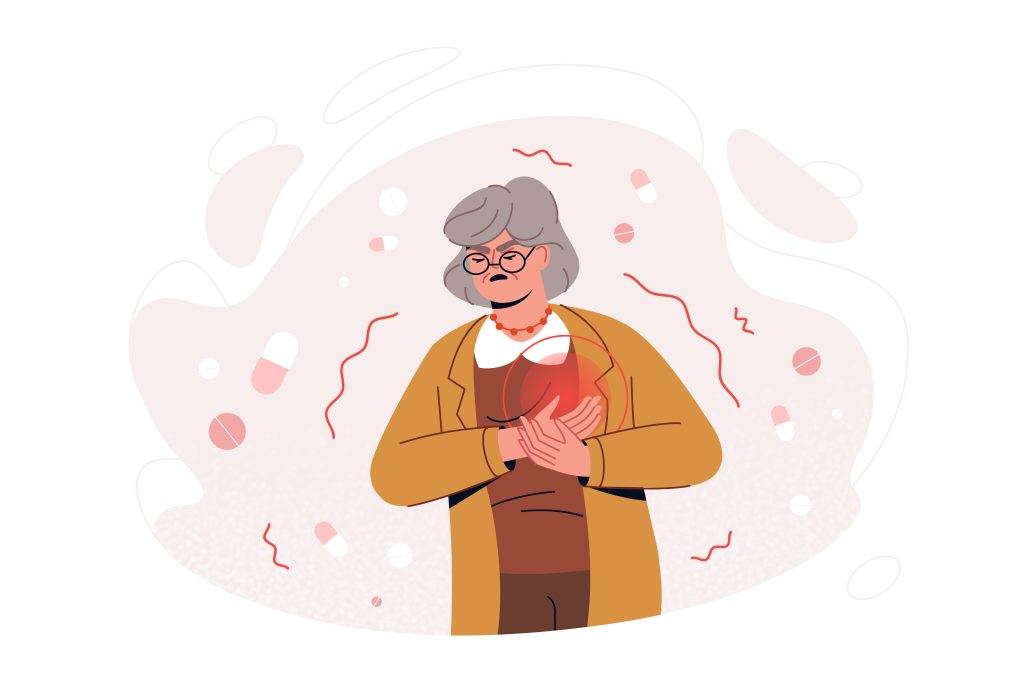
The symptoms of somatisation and somatoform disorders can be diverse and often mimic various medical conditions. Common manifestations include:
It’s crucial to note that these symptoms are real and cause genuine distress to the individual experiencing them.
Key Information about Somatisation and Somatoform Disorders
Aspect | Details |
Prevalence | 5-7% of the general population |
Gender ratio | More common in women |
Age of onset | Can occur at any age, often in early adulthood |
Common comorbidities | Anxiety, depression, personality disorders |
Impact on quality of life | Significant; affects work, relationships, and daily functioning |
Healthcare utilization | High; frequent medical consultations and procedures |
Treatment approach | Multidisciplinary; combines psychotherapy and medical management |

Given the complex nature of somatisation and somatoform disorders, collaboration with medical specialists is crucial.
Long-Term Management and Recovery
Managing somatisation and somatoform disorders is often a long-term process. Treatment plans focus on:
With proper treatment and support, many individuals with somatisation and somatoform disorders experience significant improvement in their symptoms and overall well-being.
Yes, the physical symptoms experienced in somatoform disorders are real and can cause significant distress. While they may not have a clear medical explanation, they are not intentionally produced or faked
Treatment duration varies for each individual. Many patients see improvement within 12-24 weeks of therapy, but some may require longer-term support
While there's no definitive cure, many individuals experience significant symptom reduction and improved quality of life with proper treatment.
Offer emotional support, encourage treatment adherence, and avoid dismissing or minimizing their symptoms. Education about the disorder can also be helpful for family members.
While medication isn't the primary treatment, antidepressants or anti-anxiety medications may be prescribed to address comorbid conditions or specific symptoms.
Yes, children can develop somatoform disorders. Common presentations in children include recurrent abdominal pain or headaches.
Diagnosis involves a comprehensive medical evaluation to rule out underlying medical conditions, followed by a psychological assessment. It's important to note that somatoform disorders are diagnoses of exclusion.
Somatisation and somatoform disorders present unique challenges in the field of mental health. If you or a loved one are struggling with unexplained physical symptoms, know that help is available, Contact Senior Psychotherapist and Healer Dr Sharmila
Book Appointment session with Dr Sharmila Dhobale for Psychotherapy.