
Toxic relationships are characterized by patterns of manipulation, control, emotional abuse, lack of respect, constant criticism, and power imbalances. Unlike healthy relationships where both partners grow together, toxic relationships drain energy, diminish self-worth, and create cycles of pain.
The toxicity might not be obvious initially. Often, these relationships begin with intense chemistry, excessive charm, and promises of perfect love. Only gradually do the controlling behaviours, criticism, and emotional manipulation emerge. Break free from a toxic relationship, healing
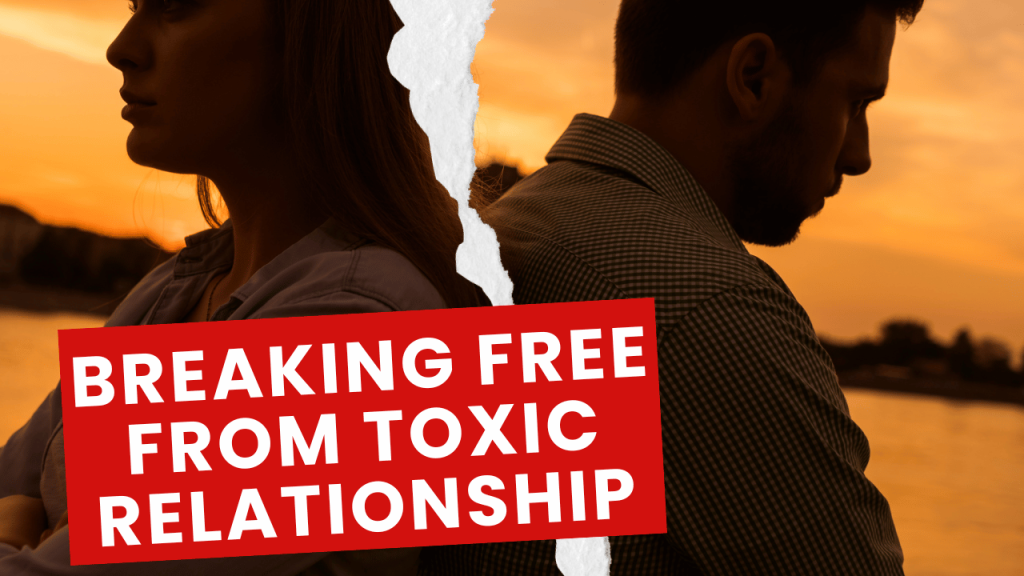
The conference room fell silent as Priya presented her quarterly results – another record-breaking performance. At 35, she was a senior vice president at a multinational corporation, respected by peers and admired by juniors. Yet behind her polished exterior lay a story of repeated heartbreak that had nearly cost her life.
Two failed marriages. Two toxic relationships that had drained her spirit and shattered her self-worth. The pattern was painfully consistent – she would meet someone charming, fall deeply, ignore the red flags, and find herself trapped in cycles of manipulation, emotional abuse, and eventual abandonment.
After her second divorce, the weight of repeated failure became unbearable. One dark evening, alone in her apartment, Priya stood at the edge of giving up entirely. It was a desperate call from her sister that pulled her back from that precipice and eventually led her to Dr. Sharmila’s therapy room.
“Why does this keep happening to me?” Priya asked during her first session, her voice barely a whisper. “I’m successful at everything except love.”
Through a combination of therapeutic approaches, Priya’s story began to unfold – revealing not just personal wounds, but generational patterns that had been quietly directing her choices for decades. Today, happily married to a supportive partner, Priya’s transformation offers hope to anyone trapped in similar cycles.
The question that haunted Priya – “Why do I keep attracting the wrong people?” – is one many ask. The answer lies in understanding several psychological and systemic factors.
Childhood Programming
Our earliest relationships shape our understanding of love. If you grew up witnessing unhealthy relationship dynamics, your subconscious mind might interpret those patterns as “normal.” Priya’s father had been emotionally distant and critical, while her mother remained in the relationship despite evident unhappiness. This became Priya’s unconscious blueprint for relationships.
Unhealed Wounds
Unresolved trauma creates a magnetic pull toward familiar pain. We unconsciously seek partners who recreate our childhood wounds, not because we enjoy suffering, but because our psyche attempts to resolve old pain through new relationships. This rarely works and instead reinforces negative patterns.
Low Self-Worth
When we don’t believe we deserve healthy love, we settle for relationships that confirm our negative self-beliefs. Priya’s professional success masked deep feelings of unworthiness in her personal life. She attracted partners who treated her poorly because, deep down, she believed that’s what she deserved.
Familiarity Over Health
Our brains are wired to seek the familiar, even when familiarity means pain. A healthy, stable relationship might feel “boring” or “wrong” to someone accustomed to chaos. The drama and intensity of toxic relationships can feel like passion when it’s actually dysfunction.
Generational Patterns
Family Constellation work reveals how relationship patterns travel through generations. Priya discovered that her grandmother had also endured two difficult marriages before finding peace. This generational pattern was unconsciously influencing Priya’s choices.
Neuro-Linguistic Programming (NLP) offers powerful tools for understanding and transforming relationship patterns. NLP examines how our language, thoughts, and behaviors create our reality.
Identifying Limiting Beliefs
Through NLP techniques, Priya identified core beliefs driving her choices: “Love requires sacrifice,” “I must earn affection through achievement,” and “Conflict means passion.” These beliefs, formed in childhood, were sabotaging her adult relationships.
Reframing Experiences
NLP helps reframe past experiences, changing their emotional charge and meaning. Priya learned to view her failed marriages not as personal failures but as learning experiences that brought her closer to understanding herself.
Anchoring Positive States
NLP anchoring techniques helped Priya access feelings of self-worth and confidence in her personal life, not just her professional sphere. By creating mental and physical anchors to positive emotional states, she could maintain boundaries and make healthier choices.
Language Pattern Interruption
NLP revealed how Priya’s internal dialogue reinforced negative patterns. Phrases like “I always choose the wrong person” became self-fulfilling prophecies. Changing her language patterns helped shift her reality.
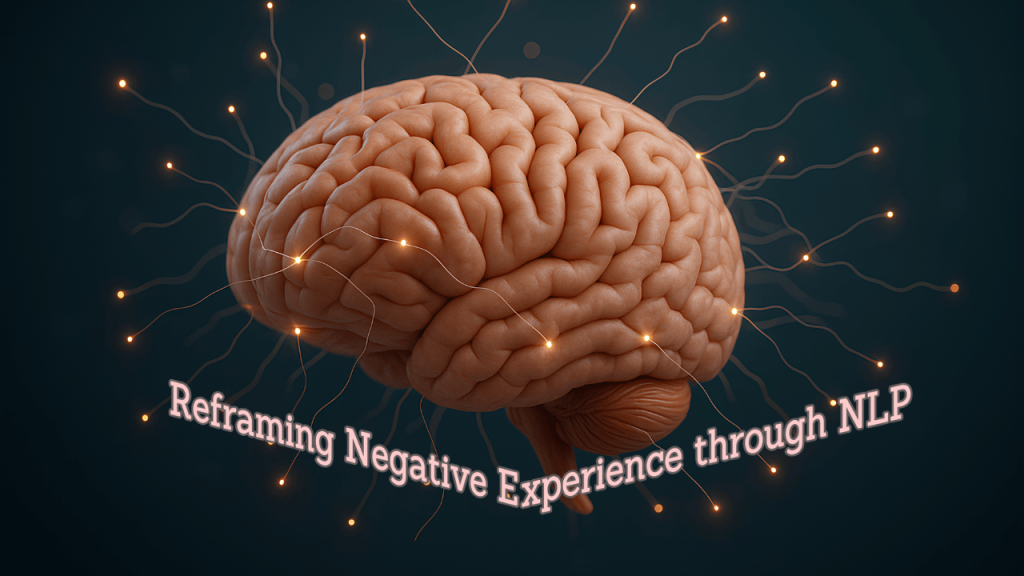
Priya’s transformation required multiple therapeutic modalities working together, each addressing different aspects of her pattern.
Family Constellation Therapy
Family Constellation revealed the hidden dynamics influencing Priya’s relationships. During a powerful session, she discovered that she was unconsciously loyal to her grandmother’s pattern of difficult marriages. Her grandmother had suffered in silence, believing divorce was shameful. When Priya honoured her grandmother’s pain while choosing a different path for herself, something shifted.
The constellation also revealed that Priya was unconsciously trying to “save” her father through her choice of partners. She kept choosing emotionally unavailable men, attempting to win the love and approval her father never gave. Recognizing this pattern allowed her to release this unconscious burden.
Through constellation work, Priya found her rightful place in her family system – no longer carrying her grandmother’s pain or seeking her father’s unavailable love. This created space for a healthy partnership.
Gestalt Therapy
Gestalt therapy focuses on present-moment awareness and taking responsibility for one’s choices. Through “empty chair” work, Priya had powerful conversations with her younger self, her ex-partners, and her parents.
In one profound session, Priya spoke to her younger self who first learned that love meant suffering. She offered that wounded child the compassion and protection she had never received. This integration of fragmented parts of herself was crucial for healing.
Gestalt helped Priya recognize how she abandoned herself in relationships, always prioritizing her partner’s needs over her own. Learning to stay present with her own feelings and needs transformed her ability to maintain healthy boundaries.
Inner Child Healing
Much of Priya’s relationship pattern originated in childhood wounds. Inner child work involved connecting with the parts of herself that felt unlovable, unworthy, and desperate for approval.
Through guided visualization, Priya met her inner child – a little girl who believed she had to be perfect to deserve love. She learned to nurture this child, offering the unconditional love and acceptance she had craved. As her inner child healed, her adult relationships transformed.
Hypnotherapy
Hypnotherapy allowed access to Priya’s subconscious programming around love and relationships. In deeply relaxed states, she could identify and transform beliefs formed before conscious memory.
During hypnotherapy, Priya accessed memories of being criticized as a child, creating the belief that love came with conditions. She also discovered past life patterns of abandonment that resonated with her current experiences. By reprocessing these memories and installing new, healthier beliefs, her attraction patterns began to shift.
Healing wasn’t linear for Priya. There were setbacks, moments of doubt, and times when old patterns tried to reassert themselves. But with consistent therapeutic support, she gradually transformed.
The shift began internally. As Priya healed her relationship with herself, her tolerance for mistreatment decreased. Behaviours she once accepted now felt clearly unacceptable. Her standards changed not from a place of judgment, but from genuine self-worth.
Her energy shifted. People who would have attracted her before no longer caught her attention. Instead, she found herself noticing qualities she had previously overlooked – kindness, consistency, emotional availability, respect.
When she met Arjun, the difference was striking. There was no intense drama, no overwhelming chemistry that clouded judgment. Instead, there was respect, easy communication, and a growing sense of safety. At first, Priya worried that the absence of chaos meant absence of passion. Therapy helped her recognize this as her old pattern speaking.
Arjun showed up consistently. He respected her boundaries. He celebrated her success without feeling threatened. When conflicts arose, they resolved them through conversation, not manipulation. This was foreign territory for Priya, but she learned to trust it.
As Priya healed, certain markers indicated her transformation:
Priya’s marriage to Arjun isn’t perfect – no relationship is. But it’s fundamentally healthy. They communicate openly, respect each other’s independence, support each other’s growth, navigate conflicts constructively, and maintain individual identities within the partnership.
Most importantly, Priya no longer abandons herself for the relationship. She has learned that true partnership enhances but doesn’t complete her. The emptiness she once tried to fill through toxic relationships has been healed from within.
If you recognize yourself in Priya’s story, consider these steps:
Even in her healthy marriage, Priya continues therapeutic work. She recognizes that healing isn’t a destination but an ongoing process. Old triggers occasionally surface, but she now has tools to address them without reverting to old patterns.
Her professional success, once her only source of self-worth, now complements a rich personal life. She mentors other women struggling with relationship patterns, offering hope through her own transformation.
Priya’s journey from the brink of suicide to a fulfilling marriage demonstrates that toxic relationship patterns, however entrenched, can be transformed. The key lies in understanding the roots of these patterns, addressing them through comprehensive therapeutic approaches, and committing to genuine self-healing.
If you find yourself repeatedly attracting toxic relationships, know that you’re not broken or damaged. You’re carrying wounds that need healing and patterns that need awareness. With the right support and commitment, transformation is possible.
Your past doesn’t determine your future. Like Priya, you can break free from toxic patterns and create the healthy, loving relationship you deserve. The journey begins with one courageous step – acknowledging the pattern and seeking help.
Visit harmoniee.in and connect with Dr. Sharmila Dhobale. Through integrated approaches including Family Constellation Therapy, NLP, Gestalt Therapy, and Hypnotherapy, discover your path from repeated heartbreak to lasting love. Your transformation story begins today.
Dr. Sharmila employs a compassionate and holistic approach in her therapy sessions. She focuses on understanding the root causes of issues and utilizes various therapeutic techniques to help clients release physical and emotional ailments. As a Toxic relationship therapist in Mumbai, she aims to empower individuals to embrace their bodies and cultivate self-acceptance.